
How To Understand A Linde Forklift Serial Number
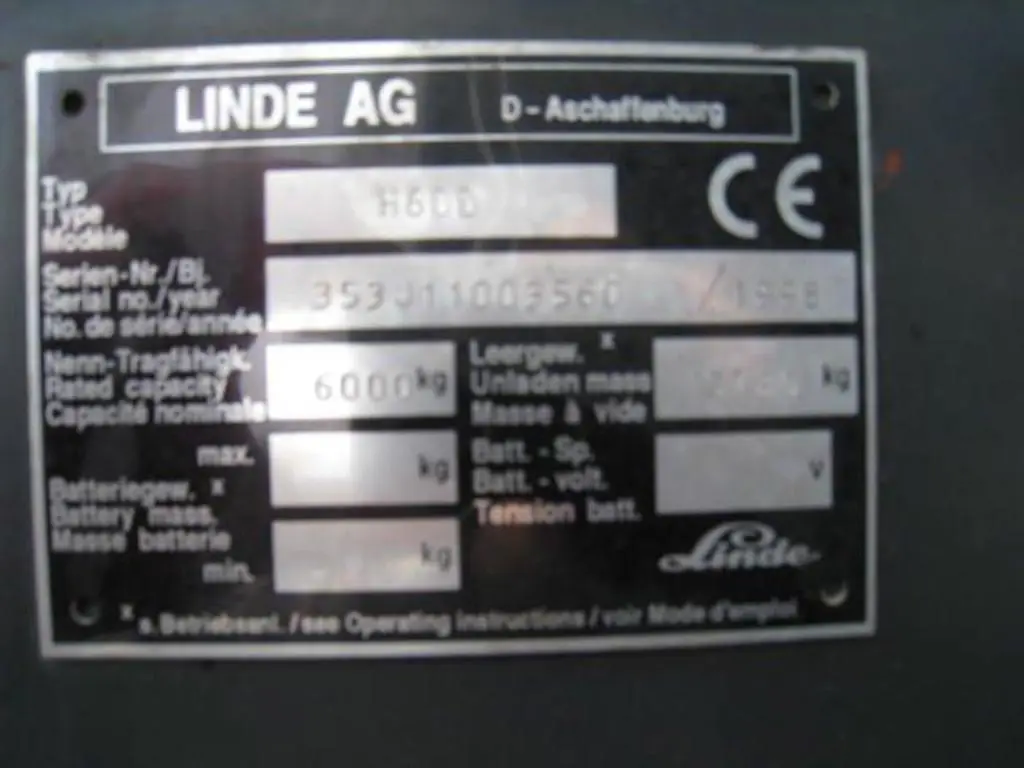
Every Linde forklift leaves the factory with a unique serial number stamped into it. However this number is far more than just a registration code. When you know how to read it, a Linde forklift serial number tells you exactly what kind of machine you’re dealing with: where it was made, when it rolled off the production line, what engine it has, and how much it’s rated to lift.
This is especially useful when buying a used forklift, sourcing replacement parts, or verifying a machine’s service history against its build specification.
Why serial numbers matter
Linde serial numbers are routinely used by dealers, fleet managers, and parts suppliers to:
- Confirm the correct parts compatibility for a specific model year
- Verify the truck’s rated capacity before assigning load tasks
- Establish the age of the machine for maintenance scheduling and depreciation
- Identify the engine type to ensure the correct fuel system servicing
- Trace a machine’s production origin for warranty or compliance purposes
|
A |
1990 |
| B | 1991 |
| C | 1992 |
| D | 1993 |
| E | 1994 |
| F | 1995 |
| G | 1996 |
| H | 1997 |
| J | 1998 |
| K | 1999 |
| L | 2000 |
| M | 2001 |
| N | 2002 |
| P | 2003 |
| R | 2004 |
| S | 2005 |
| T | 2006 |
| U | 2007 |
| W | 2008 |
| Z | 2009 |
| A | 2010 |
| B | 2011 |
| C | 2012 |
| D | 2013 |
| E | 2014 |
| F | 2015 |
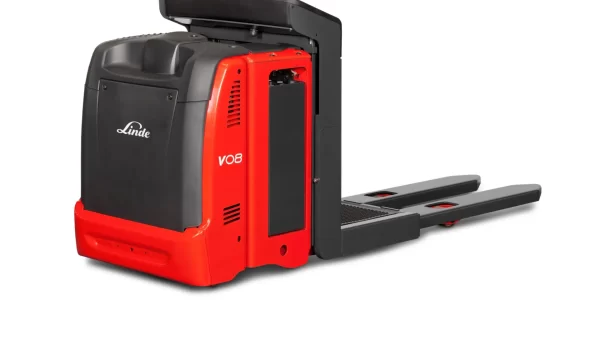
Linde forklift serial numbers 1990 to 1998
- 351 A 06 1 123 25
351 = Type of Truck
A = Year of Manufacture
06 = Month of Manufacture
1 = Engine type – 1 = LPG 0 = Diesel 2 = Diesel LHC 3 = LPG LHC
123 – Serial Number
25 – Truck capacity
New 12 Digit Truck Serial number from 1999
- H2 X 251 K 00045
H2 = Production Location
H2 = Aschaffenburg
E1 – Blackwood
C1 – China
X = Type or range for new production
351 – Truck type
K – Year of Manufacture
00045 – 5 Digit Serial Number
A note on capacity codes
The capacity figure in the pre-1999 format is expressed as a two-digit multiplier. A code of 20 means 2,000 kg, 25 means 2,500 kg, 30 means 3,000 kg, and so on. This figure reflects the truck’s nominal rated capacity under standard conditions — always verify against the data plate for operational use, as attachments and mast configurations can affect the actual safe working load.
