
Do You Need to Buy a Forklift?
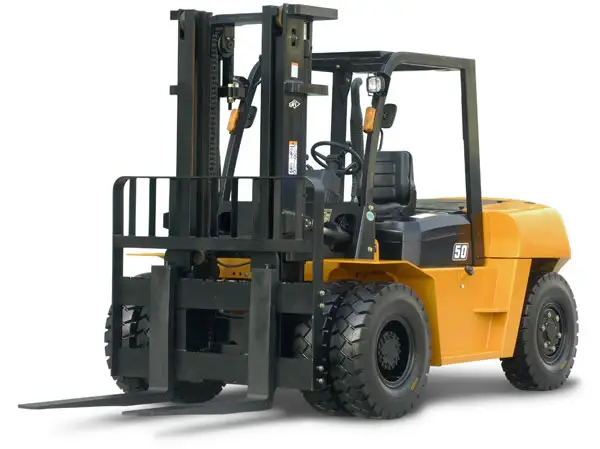
If you run a business that involves moving products on pallets, there’s a very good chance a forklift is either already essential to your operation, or soon will be. Whether you’re managing a warehouse, a distribution centre, a manufacturing facility, or even a busy retail stockroom, the right forklift can dramatically improve efficiency, reduce manual handling injuries, and streamline your entire workflow. But before you start comparing models and specifications, it’s worth taking a step back and asking a more fundamental question: what’s the best way to actually buy a forklift ?
How to Buy a Forklift
Today’s market offers a wide range of forklift brands, models, and configurations to suit virtually every application and budget. From compact electric forklifts ideal for indoor use to heavy-duty LPG and diesel models built for outdoor yards and tough terrain, there’s no shortage of choice.
When businesses begin the process of buying a forklift, most of the attention naturally gravitates toward the machine itself, engine type, transmission, lift capacity, mast height, and brand reputation.
These are all important considerations, of course. But what many buyers don’t spend enough time thinking about is how they’re going to buy the forklift. That decision can have a significant impact on your business’s cash flow, tax position, and long-term flexibility. Once you’ve narrowed down the make and model that suits your needs, you’ll find there are several different ways to structure the acquisition. Here’s a breakdown of each option:
1. Outright Purchase
If your business has the available capital, purchasing a forklift outright is the most straightforward option. You own the asset from day one, there are no ongoing finance obligations, and you have complete flexibility over how the machine is maintained and serviced.
That said, tying up a significant amount of working capital in a single asset isn’t always the smartest financial move, particularly for small and medium-sized businesses where cash flow is critical. Before going down this path, it’s worth discussing the decision with your accountant to understand the depreciation and tax implications.
Tip: Always clarify what warranty applies to the machine at the time of purchase, whether it’s new or used, and ensure you understand what’s covered and for how long.
2. Rent to Buy
Rent to buy has become an increasingly popular option for businesses that want to eventually own their forklift without committing to a large upfront payment. Under this arrangement, you rent the forklift over a fixed term, typically two to five years. With either a zero or minimal payout figure at the end of the term. At which point ownership transfers to you.
This is a great option for businesses that want the benefits of ownership without the initial capital outlay. It’s worth noting, however, that under most rent-to-buy agreements, the business renting the forklift remains responsible for maintenance costs. These can either be paid as they arise or covered under a preventative maintenance agreement arranged through your forklift dealer.
 3. Finance Lease
A finance lease operates in a very similar way to a rent-to-buy arrangement, but it’s structured purely as a financial product. Typically offered through a bank or specialist equipment finance lender rather than the forklift dealer directly. At the end of the lease term, you may have the option to purchase the forklift for a residual or balloon payment, return it, or refinance.
One of the key advantages of a finance lease is flexibility around servicing, unlike some dealer-based agreements. You’re generally free to have your forklift maintained by any qualified forklift or mechanical service business. That can help keep ongoing costs competitive. A finance broker or your bank can help you find the most suitable lending arrangement for your circumstances.
4. Fully Maintained Operating Lease (FMOL)
A fully maintained operating lease takes things a step further by bundling the cost of the forklift and its ongoing maintenance into a single monthly payment. This arrangement is typically structured through a finance company, with your forklift dealer billing the finance company directly for both the equipment and any maintenance costs that arise.
From a business perspective, this model offers excellent cost predictability — you know exactly what you’re paying each month, with no surprise repair bills. When maintenance is required, you simply contact your forklift dealer directly to arrange a service call. It’s a particularly attractive option for businesses that want to keep their internal administration simple and their operational costs stable.
5. Short or Long-Term Rental
Rental is the most flexible option of all, and it suits a wide range of business situations. From covering a seasonal peak in demand to providing a machine while your primary forklift is being serviced or repaired. Under a standard rental arrangement, you rent the forklift directly from a forklift dealer, who invoices your business on a regular basis. All maintenance is handled directly between you and the dealer, keeping the arrangement simple and straightforward.
Rental terms can range from a single day through to ongoing long-term agreements, and because you’re not committed to ownership, it’s easy to scale up or change equipment as your needs evolve.
New vs. Used Forklifts
All of the purchasing and financing options above can apply to both new and used forklifts. A quality used forklift can represent excellent value, particularly for businesses with tighter budgets or lower operating hours. It very important to go in with your eyes open.
The older the forklift, the more limited your financing and leasing options may be. Lenders and finance companies typically have age restrictions on the equipment they’ll fund. So a forklift that’s more than 10–15 years old may need to be purchased outright.
Used equipment may also come with fewer warranty protections, so a pre-purchase inspection by a qualified forklift technician is always strongly recommended.
What to Do Before You Commit
With so many options available, it can feel overwhelming. The process becomes much clearer when you take it one step at a time.
Step 1 : Talk to your accountant. Before making any decision about financing, leasing, or purchasing outright, get your accountant’s advice. The tax treatment of different acquisition methods can vary considerably. The right structure for one business may not be the right fit for another.
Step 2 : Talk to your local forklift dealer. A good forklift dealer won’t just sell you a machine. They’ll help you understand your options, match the right equipment to your application. As well connect you with finance solutions that work for your business. If you’re in South East Queensland, Nationwide Sales Service & Rental are the authorised Hyundai Forklift dealer for the region. They can walk you through the full range of new and used machines and acquisition options available.
Step 3 — Think long term. Consider not just the upfront cost, but the total cost of ownership. Which can includiemaintenance, fuel or charging, tyres, and eventual replacement. A slightly higher monthly payment for a fully maintained solution may actually cost you less in the long run than an outright purchase. That can leave you exposed to unexpected repair bills.
The right forklift, acquired the right way, can be a transformative investment for your business. Take the time to do it properly. You’ll be rewarded with a machine that works as hard as you do.