
Buying Used Forklifts: 5 Essential Tips for Smarter Purchasing
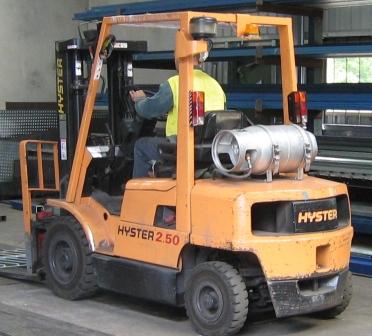
If you’ve decided that used forklifts are the right choice for your business. Whether you’re upgrading an existing unit or starting a new venture, you’re not alone. The Australian market is packed with options, which is great for choice… but it can also feel overwhelming.
The good news? With a bit of planning and the right approach, you can secure a reliable machine that delivers real value. Here are five essential tips to help you confidently navigate the used forklift market.
1. Know What You Need
Before you even start browsing used forklifts, get crystal clear on your requirements. Forklifts come in a wide range of specifications, and choosing the wrong setup can cost you time and money.
For example:
If your job involves loading and unloading shipping containers, a forklift with a 2-stage mast and 5000mm lift height may not physically fit into the container due to its lowered height. In this case, a 3-stage mast (around 4.5m) is typically more suitable.
If you’re unsure, visit a reputable forklift dealer and explain your application. They can guide you toward the right configuration—and you might even spot a bargain while you’re there.
2. Set a Realistic Budget
Like cars, used forklifts vary significantly in price depending on brand, age, capacity, and condition.
Before you start shopping:
- Determine your maximum spend
- Factor in additional costs (transport, attachments, servicing)
- Leave a buffer for unexpected repairs
Having a clear budget helps you avoid overspending and keeps your search focused.
3. Always Ask About Warranty
Unlike some industries, the forklift sector in Australia is largely unregulated when it comes to warranties. That means dealers are not obligated to offer one.
However, many reputable sellers will provide:
- 30-day warranty
- 60-day warranty
- Up to 90-day warranty on select units
Always ask what’s included before agreeing on a price. A warranty can provide peace of mind and protect your investment.
4. Watch Out for “Cosmetic Overhauls”
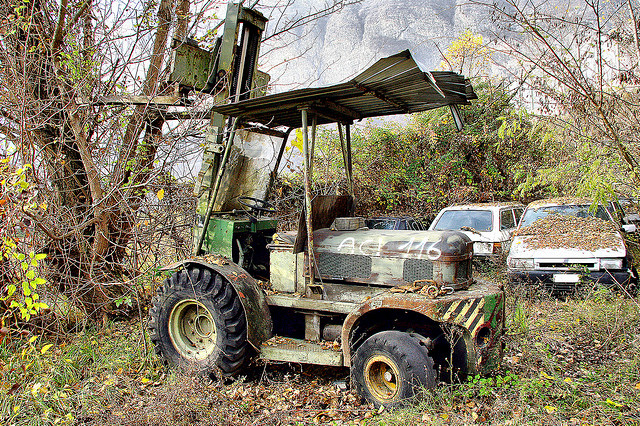
A fresh coat of paint can make a forklift look fantastic, but don’t be fooled by appearances.
Some units may have undergone what’s often called a “liquid overhaul,” where cosmetic improvements hide underlying mechanical issues.
To protect yourself:
- Inspect beyond the surface condition
- Check for oil leaks, wear, and unusual noises
- Request service records (especially for ex-rental units)
- Consider a professional mechanical inspection (often ~$100–$200)
That small upfront cost could save you thousands down the track.
5. Plan for Future Maintenance
No matter how good the machine is, all forklifts require maintenance at some point.
Before buying, ask:
- Who can service this forklift locally?
- Are parts readily available?
- Is there a dealer or third-party support nearby?
This is especially important if you operate in regional or remote areas, where access to technicians and parts can be limited.
If you plan to handle maintenance yourself, make sure parts are easy to source and reasonably priced.
Final Thoughts
Buying used forklifts can be a smart, cost-effective investment—if you take the time to do it right. By understanding your needs, setting a budget, checking warranty options, looking beyond cosmetics, and planning for maintenance, you’ll be in a strong position to secure a reliable machine.
Make sure you focus on value, not just price, and you’ll end up with a forklift that supports your business for years to come.
