
Why 2.5 Tonne Forklifts Dominate the Australian Market
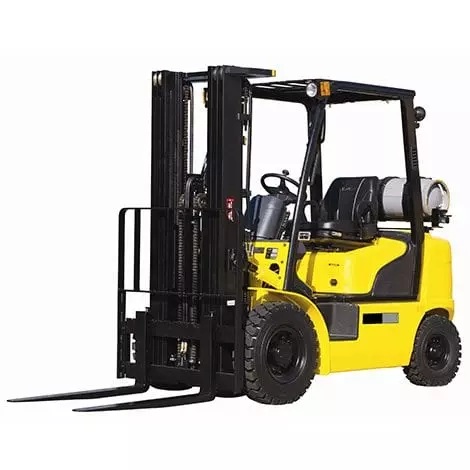
2.5 tonne forklifts are widely considered the backbone of the material handling industry. In Australia, they represent one of the most commonly used and traded forklift categories, making them a key segment for both buyers and sellers alike.
The reason is really simple:
Versatility
A 2.5 tonne forklift provides the ideal balance between lifting capacity, size, and cost. Which makes it suitable for a broad range of applications across warehouses, transport yards, retail operations, and light industrial environments.
Why 2.5T Forklifts Are So Popular
Most palletised goods in Australia are transported on standard CHEP pallets, which typically have a working load limit (WLL) of around 2.0 tonnes.
To safely handle these loads, businesses commonly choose a 2.5 tonne forklift. This additional capacity provides a safety margin, ensuring stable lifting and efficient operation across day-to-day tasks.
As a result, the 2.5T category has the highest availability in both new and used forklift markets, giving buyers more choice—but also making the decision process more complex.
Buying or Selling a 2.5 Tonne Forklift: What You Need to Know
If you’re entering the market, there’s a high probability you’ll be dealing with a 2.5 tonne forklift. Here are the key factors to consider before making a decision:
-
New vs Used Forklift: Which Is Right for You?
Choosing between a new or used forklift depends on three main factors:
- Application (type of work)
- Utilisation (hours of operation)
- Budget
A used forklift is often suitable for low-intensity operations, while a new forklift is better for demanding, high-usage environments where reliability is critical.
-
Set a Realistic Budget
Buying a forklift is comparable to purchasing a vehicle—you need a clear budget and should avoid overspending.
- Used forklifts: Lower upfront cost, ideal for light or occasional use
- New forklifts: Higher cost, but better reliability, warranty, and lower maintenance risk
Understanding your financial limits early will help narrow your options quickly.
-
Understand Your Application
Your operating environment plays a major role in selecting the right forklift.
- Light-duty use (e.g. retail, small warehouse, fruit shop):
A well-maintained used forklift is often sufficient - Heavy-duty use (e.g. foundries, manufacturing, high-cycle logistics):
A new forklift is typically the better investment due to durability and uptime requirements
-
Assess Your Utilisation
How often you use the forklift directly impacts what you should buy:
- Low usage (2–5 hours per week):
A used forklift is usually the most cost-effective option - High usage (daily or multiple shifts):
A new forklift will deliver better long-term value and reliability
-
Choosing the Right Forklift Brand
Buyers often ask: Which forklift brand is best?
Well-known brands such as Toyota, Linde, Hyster, and Komatsu all offer strong products—but there is no one-size-fits-all answer.
Instead of focusing purely on brand, consider:
- Availability of parts and servicing in your area
- Access to qualified technicians
- Suitability for your application and workload
The best forklift is the one that aligns with your operational needs and can be supported locally.
Final Thoughts
The 2.5 tonne forklift remains the most in-demand segment in the Australian market for a reason—it’s versatile, widely available, and suitable for the majority of lifting tasks.
Whether you’re buying or selling, understanding your application, utilisation, and budget will ensure you make the right decision in a crowded marketplace.
