
4 Questions to Ask When Deciding if Forklift Hire is the Right Choice
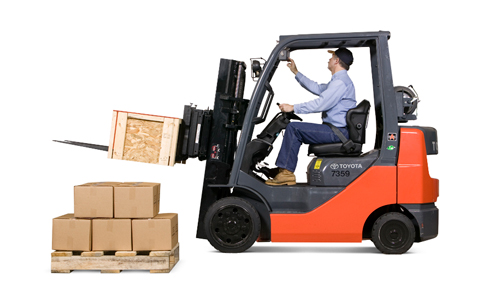
For businesses that handle palletised goods, having access to a forklift is essential for efficient day-to-day operations. One of the key decisions many businesses face is whether to purchase a forklift outright or opt for forklift hire.
While ownership may suit some operations, forklift hire offers flexibility and reduced responsibility—making it an attractive option for many Australian businesses. To help guide your decision, here are four critical questions to consider.
1. How Many Hours Will the Forklift Be Used?
Understanding actual usage is the first and most important step when considering forklift hire.
A standard working week is around 38 hours (7.6 hours per day), but in reality, forklifts rarely operate continuously throughout the day. Operator breaks, downtime, and workflow gaps significantly reduce actual usage time.
Many businesses either overestimate or underestimate their requirements. The most accurate way to determine usage is to:
• Monitor the hour meter on your current forklift
• Request a demo unit from a forklift supplier for a few days
Most dealers are happy to provide a short-term demo, allowing you to track real usage and make a more informed decision.
2. Can You Manage Forklift Maintenance?
Like any machinery, forklifts require regular maintenance—and they have a habit of breaking down at the worst possible time.
Before committing to ownership, consider:
• Do you have the capability to maintain the forklift in-house?
• Can you manage Workplace Health and Safety (WHS) compliance and service records?
• Can your operation handle extended downtime if the forklift fails?
One of the major advantages of forklift hire is that maintenance, servicing, and repairs are typically handled by the hire company. This reduces operational risk and ensures your equipment remains compliant and reliable.
3. How Long Will You Need the Forklift?
The duration of use plays a major role in deciding whether forklift hire is the right option.
• Long-term, ongoing use: If a forklift is critical to daily operations, ownership may be worth considering.
• Short-term or project-based needs: For projects lasting 3–6 months (or similar), forklift hire is often the more cost-effective and practical solution.
Hiring allows your business to scale equipment up or down as needed without the financial commitment of purchasing.
4. What Environment Will the Forklift Operate In?
The working environment has a significant impact on forklift wear and lifespan.
• Clean environments (warehouses, distribution centres): Equipment tends to last longer with minimal wear.
• Harsh environments (foundries, heavy industrial sites): Increased usage and tough conditions can significantly reduce the lifespan and resale value of a forklift.
In demanding applications, forklift hire can be a smarter option—allowing you to avoid long-term ownership of heavily depreciating equipment.
Final Thoughts
There are many factors to weigh up when deciding between buying and forklift hire. Usage hours, maintenance capability, project duration, and operating conditions all play a role in determining the best solution for your business.
If you’re unsure, it’s always worth speaking with a forklift specialist. A reputable dealer can assess your specific requirements and recommend the most cost-effective and efficient option.
